By David Khachatryan · Guidance updated
Best Laptops for Prompt Engineering in 2026: Screen, Speed, and Multitasking
Best laptops for prompt engineering in 2026. Multiple AI interfaces, documentation, and testing tools running simultaneously — here's what you need.
Prompt engineering has evolved from a curiosity into a legitimate discipline — and a career. Whether you are crafting system prompts for production AI systems, fine-tuning few-shot examples, or building prompt chains for complex workflows, the work is surprisingly hardware-intensive.
The reason: prompt engineering is a multi-window, multi-tool workflow. You typically have three to five AI interfaces open simultaneously — testing the same prompt across Claude, GPT, and Gemini to compare outputs. Add your prompt management tool, documentation for the API you are integrating with, a code editor for programmatic prompt testing, and a spreadsheet tracking your results. That is easily ten to fifteen active windows competing for screen space and system resources.
Screen real estate is not a luxury for prompt engineers — it is the primary tool. The difference between a 13-inch and a 16-inch display is the difference between constant window switching and seeing your prompt, output, and reference material simultaneously. High resolution matters too, because you are reading dense text all day.
These laptops are optimized for the multi-tasking, screen-intensive reality of professional prompt engineering.
Top Picks for prompt engineering
Read the details or check the current offer
- #1
Best Overall
- #2
Best Value
- #3
Best Windows
Check your workload before upgrading
Open your usual projects and apps on your current computer. Check memory pressure, CPU use, and free storage while doing the task that feels slow. A slow internet connection, a remote service, and a slow local build need different fixes. A new laptop may not solve the first two.
Memory and storage
For a new everyday laptop, 16GB RAM is a reasonable starting point to compare. Larger projects, multiple containers, virtual machines, and datasets can justify more. These are buying guidelines, not minimum requirements for every application. Check whether memory can be upgraded. Choose SSD capacity for your files and applications, leaving room for updates.
Cloud tools and local models
A cloud service processes its model on remote servers. Buying a powerful GPU does not automatically speed up that service. If you plan to run a model locally, verify its runtime, GPU support, model size, and memory requirements before choosing hardware.
Compatibility and daily use
Check your essential applications on the exact operating system and processor architecture. Compare keyboard layout, screen size, ports, weight, and return terms. Battery performance depends on the workload; this site has not measured battery life for these models.
Laptop shortlist for prompt engineering
Compare the named model generations below. This shortlist does not cover every current release. The same model name can refer to different configurations; confirm the specifications on the seller's listing.
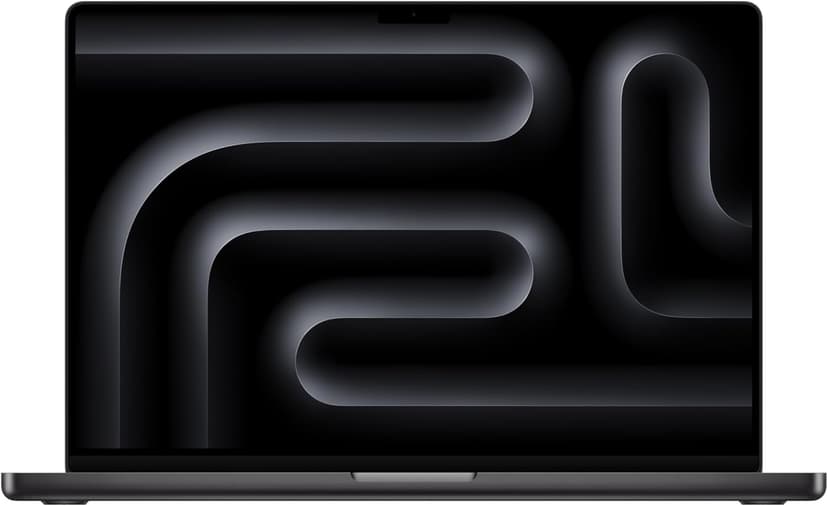
MacBook Pro 16" (M4 Max)
Selected configuration
Pros
- 36GB unified memory in this configuration
- 14-core CPU and 32-core GPU
- HDMI and SDXC connections built in
- Active cooling for sustained workloads
- Liquid Retina XDR display
Cons
- 36GB in this offer; higher-memory versions are separate configurations
- Large chassis for everyday travel
Best for: Developers comparing higher-memory configurations for local workloads that support Apple silicon.
Check configuration & price on Amazon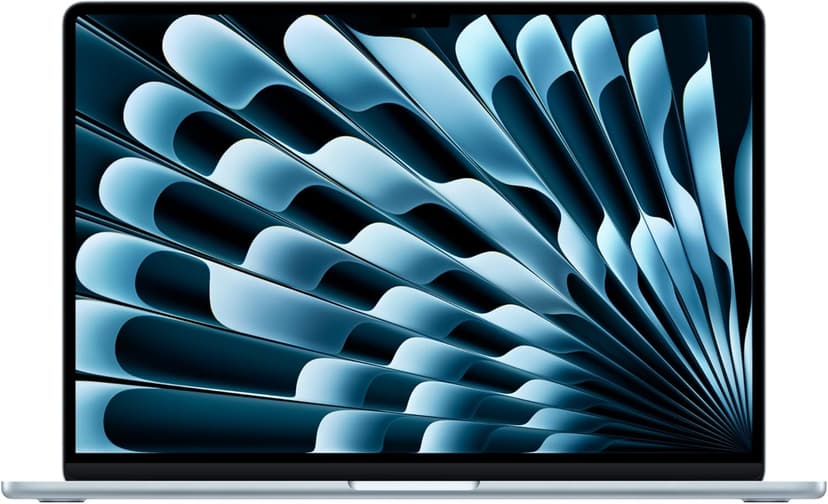
MacBook Air 15" (M4)
Selected configuration
Pros
- 10-core M4 CPU
- Fanless design
- 15.3-inch display — plenty of screen real estate
- Two Thunderbolt 4 ports
Cons
- 16GB memory in this offer; select a different configuration if you need more
- No NVIDIA CUDA support; check your ML framework
Best for: Developers comparing a fanless machine for everyday projects.
Check configuration & price on Amazon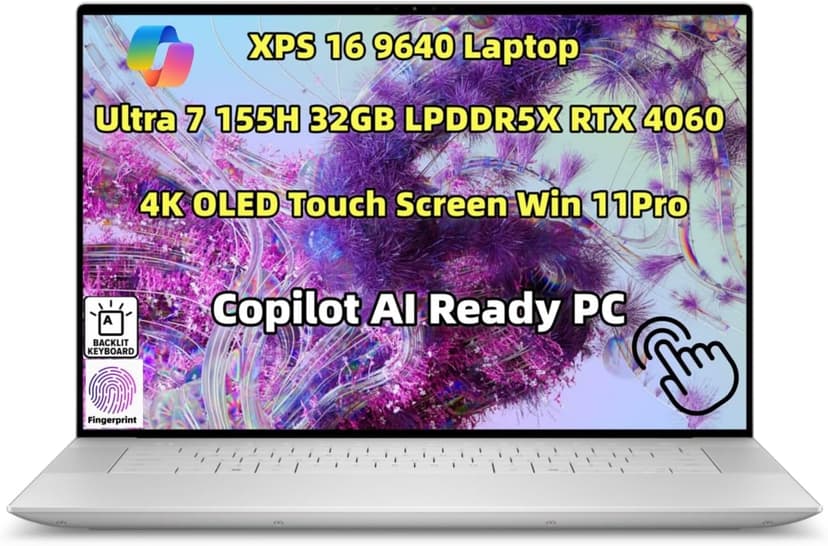
Dell XPS 16 (9640)
Selected configuration
Pros
- 16.3-inch 3840x2400 OLED touchscreen
- 32GB onboard RAM in the selected configuration
- NVIDIA RTX 4060 with 8GB dedicated memory
- Thunderbolt 4 connectivity
Cons
- Premium model; compare the current offer
- Onboard RAM cannot be upgraded
Best for: Windows developers, ML engineers, and anyone who needs a dedicated GPU alongside serious coding power.
Check configuration & price on Amazon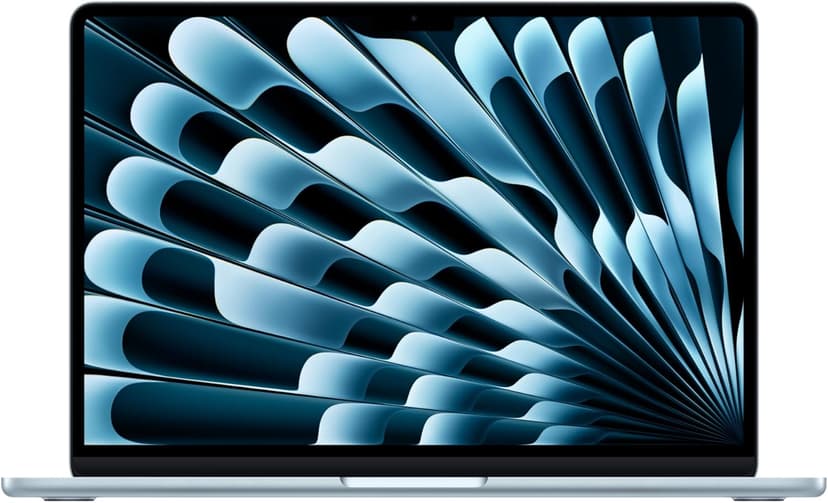
MacBook Air 13" (M4)
Selected configuration
Pros
- Compact 13.6-inch display
- Ultra-portable at 2.7 lbs
- Fanless and completely silent
- Two Thunderbolt 4 ports
Cons
- 13.6-inch screen can feel cramped for multi-pane coding
- 16GB memory in this offer; select a different configuration if you need more
Best for: Students, side-project builders, and anyone starting their coding journey.
Check configuration & price on Amazon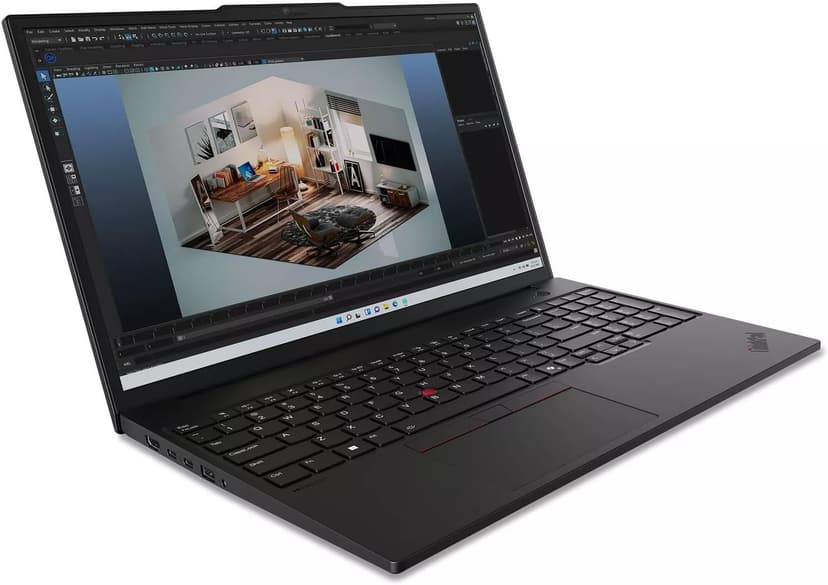
Lenovo ThinkPad P16s Gen 3
Selected configuration
Pros
- 64GB RAM and 2TB SSD in this seller-upgraded configuration
- Two DDR5 memory slots
- Ethernet, HDMI, and Thunderbolt 4 connections
- NVIDIA RTX 500 Ada graphics
Cons
- RTX 500 Ada has 4GB VRAM; check whether your model fits
- 1920x1200 IPS display in this offer, not the OLED option
Best for: Developers comparing expandable memory for containers, virtual machines, and compatible local workloads.
This listing describes a computer opened and resealed by the seller to upgrade RAM and SSD. Check the separate seller and manufacturer warranty terms before buying.
Check configuration & price on AmazonCompare configurations
| Laptop | RAM | Cores | Screen | Weight | Current offer |
|---|---|---|---|---|---|
| MacBook Pro 16" (M4 Max) | 36GB | 14 cores | 16.2" 3456x2234 | 4.7 lbs | Check Amazon |
| MacBook Air 15" (M4) | 16GB | 10 cores | 15.3" 2880x1864 | 3.3 lbs | Check Amazon |
| Dell XPS 16 (9640) | 32GB | 16 cores | 16.3" 3840x2400 OLED | 4.8 lbs | Check Amazon |
| MacBook Air 13" (M4) | 16GB | 10 cores | 13.6" 2560x1664 | 2.7 lbs | Check Amazon |
| Lenovo ThinkPad P16s Gen 3 | 64GB | 16 cores | 16" 1920x1200 IPS | Approx. 4.0 lbs | Check Amazon |
Related guides
Get future buying guides.
Laptop buying advice, coding workflows, and lessons from building software.