By David Khachatryan · Guidance updated
Best MacBooks for Programming (2026): M4 Air and Pro Compared
Which MacBook is best for programming in 2026? Compare four M4 configurations — M4 Air 13", Air 15", Pro 14", and Pro 16". Here's the one most developers should buy.
Apple's Mac lineup has never been better for developers, which also makes it more confusing than ever. M4, M4 Pro, M4 Max — each in multiple screen sizes and RAM configurations. The price difference between the cheapest and most expensive option is over $4,000. How do you choose?
The answer depends on your workflow. A web developer has different needs than an iOS developer, who has different needs than someone running local AI models. Buying more MacBook than you need wastes money. Buying less than you need wastes time.
This guide cuts through the marketing and tells you exactly which MacBook to buy based on what you actually build.
Top Picks for MacBooks for programming
Read the details or check the current offer
- #1
Best Overall Mac
- #2
Best Balance of Power & Portability
- #3
Best Value Mac
Choosing hardware for MacBooks for programming
The MacBook lineup matters for programmers in 2026 because of a convergence of factors that no other platform offers. Apple Silicon's unified memory architecture means RAM is shared between the CPU and GPU without copying overhead — so memory capacity must be chosen for your actual applications; unified memory is not a general substitute for more RAM. macOS's Unix foundation means your terminal, shell scripts, and deployment targets (most servers run Linux) share the same DNA.
The M4 generation is the first where even the base MacBook Air is genuinely viable for professional development. Previous generations had compromises — the M1 Air throttled under sustained load, the M2 had memory bandwidth limitations at 8GB. The M4 Air with 24GB unified memory handles Docker, Xcode, multiple dev servers, and AI coding tools simultaneously without thermal throttling. For developers in the Apple ecosystem — iOS/Swift, React Native, or cross-platform frameworks — there is no alternative. Xcode only runs on macOS, and the Simulator performance on Apple Silicon is leagues ahead of what Intel Macs offered.
Check your workload before upgrading
Open your usual projects and apps on your current computer. Check memory pressure, CPU use, and free storage while doing the task that feels slow. A slow internet connection, a remote service, and a slow local build need different fixes. A new laptop may not solve the first two.
Memory and storage
For a new everyday laptop, 16GB RAM is a reasonable starting point to compare. Larger projects, multiple containers, virtual machines, and datasets can justify more. These are buying guidelines, not minimum requirements for every application. Check whether memory can be upgraded. Choose SSD capacity for your files and applications, leaving room for updates.
Cloud tools and local models
A cloud service processes its model on remote servers. Buying a powerful GPU does not automatically speed up that service. If you plan to run a model locally, verify its runtime, GPU support, model size, and memory requirements before choosing hardware.
Compatibility and daily use
Check your essential applications on the exact operating system and processor architecture. Compare keyboard layout, screen size, ports, weight, and return terms. Battery performance depends on the workload; this site has not measured battery life for these models.
Before you buy
- The MacBook Air M4 with 24GB is the best value for 90% of developers — the Pro only matters if you need sustained workloads or 48GB+ RAM.
- Unified memory on Apple Silicon means 24GB performs more like 32GB on Windows — the CPU and GPU share the same memory pool without copying overhead.
- If you work in Xcode or build iOS apps, the MacBook Pro is worth it for faster compilation and Simulator performance.
- The 15-inch M4 Air is a larger-screen option — same M4 chip as the 13-inch but with significantly more screen real estate for coding.
Laptop shortlist for MacBooks for programming
Compare the named model generations below. This shortlist does not cover every current release. The same model name can refer to different configurations; confirm the specifications on the seller's listing.
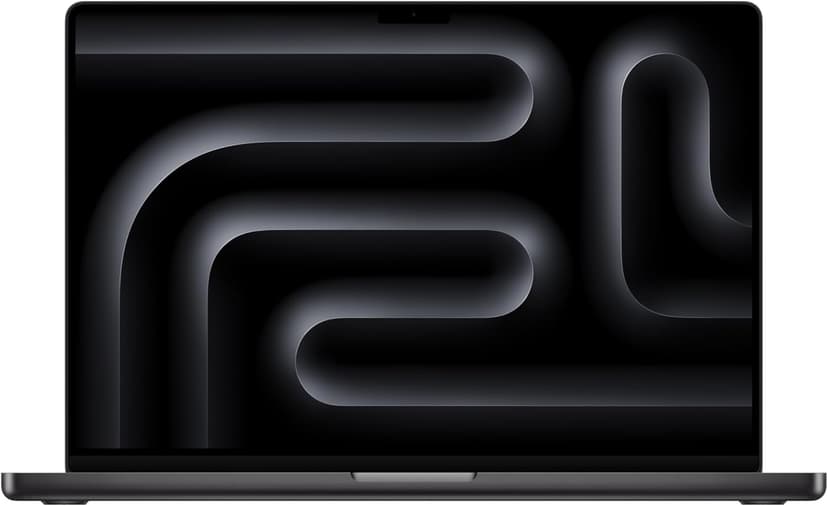
MacBook Pro 16" (M4 Max)
Selected configuration
Pros
- 36GB unified memory in this configuration
- 14-core CPU and 32-core GPU
- HDMI and SDXC connections built in
- Active cooling for sustained workloads
- Liquid Retina XDR display
Cons
- 36GB in this offer; higher-memory versions are separate configurations
- Large chassis for everyday travel
Best for: Developers comparing higher-memory configurations for local workloads that support Apple silicon.
Check configuration & price on Amazon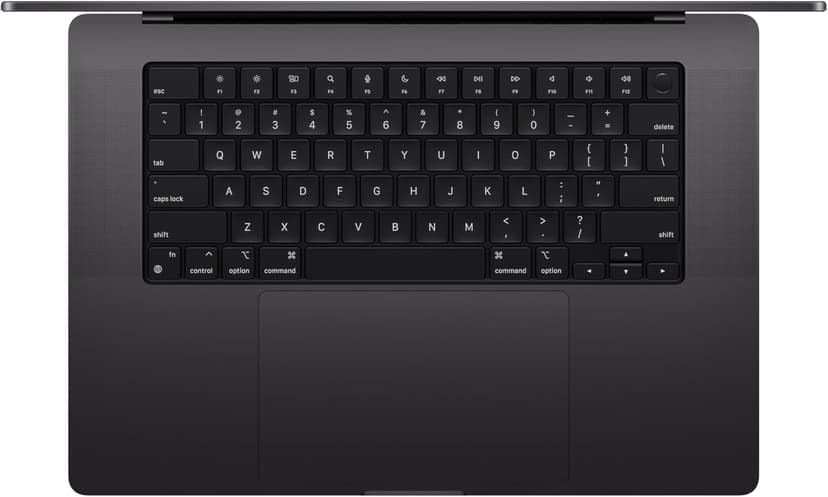
MacBook Pro 14" (M4 Pro)
Selected configuration
Pros
- 14-inch design weighing approximately 3.5 lbs
- M4 Pro with a 12-core CPU in this configuration
- Liquid Retina XDR display with ProMotion
- Active cooling for extended workloads
- Three Thunderbolt 5 ports plus HDMI and SD card
Cons
- Premium model; compare the current offer
- 14-inch screen can feel cramped for multi-pane coding
Best for: Developers considering active cooling and a 14-inch display for local builds.
Check configuration & price on Amazon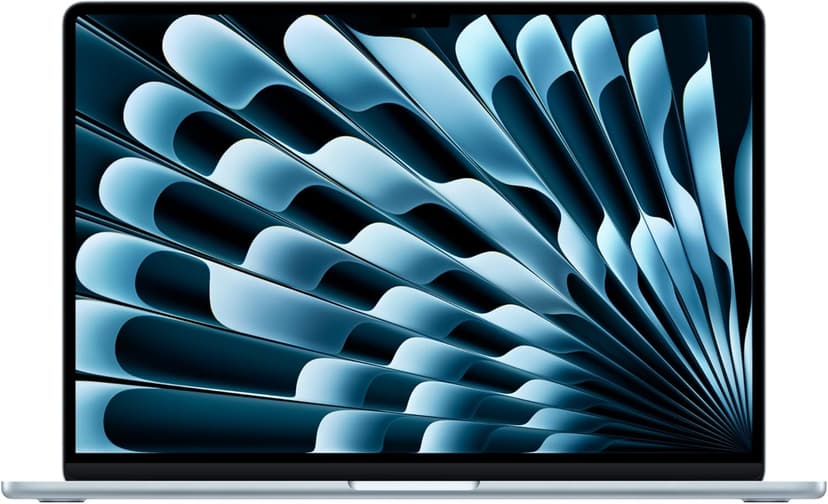
MacBook Air 15" (M4)
Selected configuration
Pros
- 10-core M4 CPU
- Fanless design
- 15.3-inch display — plenty of screen real estate
- Two Thunderbolt 4 ports
Cons
- 16GB memory in this offer; select a different configuration if you need more
- No NVIDIA CUDA support; check your ML framework
Best for: Developers comparing a fanless machine for everyday projects.
Check configuration & price on Amazon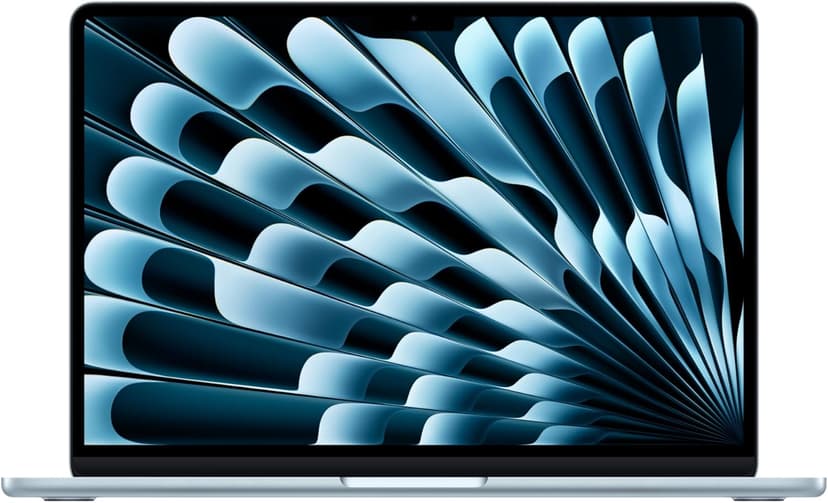
MacBook Air 13" (M4)
Selected configuration
Pros
- Compact 13.6-inch display
- Ultra-portable at 2.7 lbs
- Fanless and completely silent
- Two Thunderbolt 4 ports
Cons
- 13.6-inch screen can feel cramped for multi-pane coding
- 16GB memory in this offer; select a different configuration if you need more
Best for: Students, side-project builders, and anyone starting their coding journey.
Check configuration & price on Amazon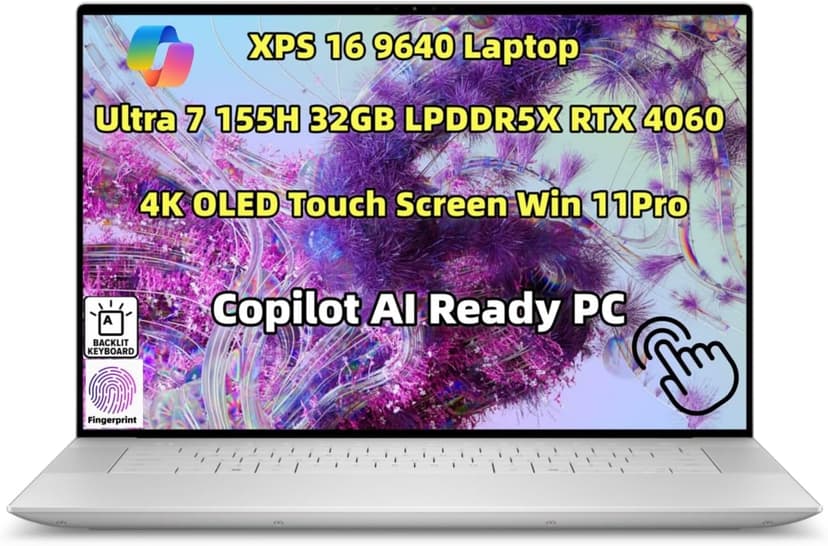
Dell XPS 16 (9640)
Selected configuration
Pros
- 16.3-inch 3840x2400 OLED touchscreen
- 32GB onboard RAM in the selected configuration
- NVIDIA RTX 4060 with 8GB dedicated memory
- Thunderbolt 4 connectivity
Cons
- Premium model; compare the current offer
- Onboard RAM cannot be upgraded
Best for: Windows developers, ML engineers, and anyone who needs a dedicated GPU alongside serious coding power.
Check configuration & price on AmazonCompare configurations
| Laptop | RAM | Cores | Screen | Weight | Current offer |
|---|---|---|---|---|---|
| MacBook Pro 16" (M4 Max) | 36GB | 14 cores | 16.2" 3456x2234 | 4.7 lbs | Check Amazon |
| MacBook Pro 14" (M4 Pro) | 24GB | 12 cores | 14.2" 3024x1964 | 3.5 lbs | Check Amazon |
| MacBook Air 15" (M4) | 16GB | 10 cores | 15.3" 2880x1864 | 3.3 lbs | Check Amazon |
| MacBook Air 13" (M4) | 16GB | 10 cores | 13.6" 2560x1664 | 2.7 lbs | Check Amazon |
| Dell XPS 16 (9640) | 32GB | 16 cores | 16.3" 3840x2400 OLED | 4.8 lbs | Check Amazon |
Frequently Asked Questions About MacBooks for programming
Is the MacBook Air good enough for programming?
Yes. The MacBook Air M4 handles web development, mobile development, and most software engineering tasks without issue. The fanless design means silent operation, and the M4 chip provides excellent single-core performance for compilation and IDE responsiveness. The only scenario where you need a Pro is sustained heavy workloads like large Xcode projects, continuous Docker builds, or local ML model training.
Which MacBook screen size is best for coding?
The 15-inch models give you the best coding experience without an external monitor — enough room for a code editor and terminal side by side. The 13-inch works well with an external display but feels cramped for split-pane coding on its own. The 16-inch Pro is ideal if you never use an external monitor.
Should I get 16GB or 24GB on a MacBook for coding?
Get 24GB. While 16GB works for basic web development, modern workflows with Docker, multiple browser tabs, and AI tools regularly consume 18-22GB. MacBook RAM is not upgradeable, so choosing 16GB now means living with that ceiling for the laptop's entire life.
Related guides
Get future buying guides.
Laptop buying advice, coding workflows, and lessons from building software.